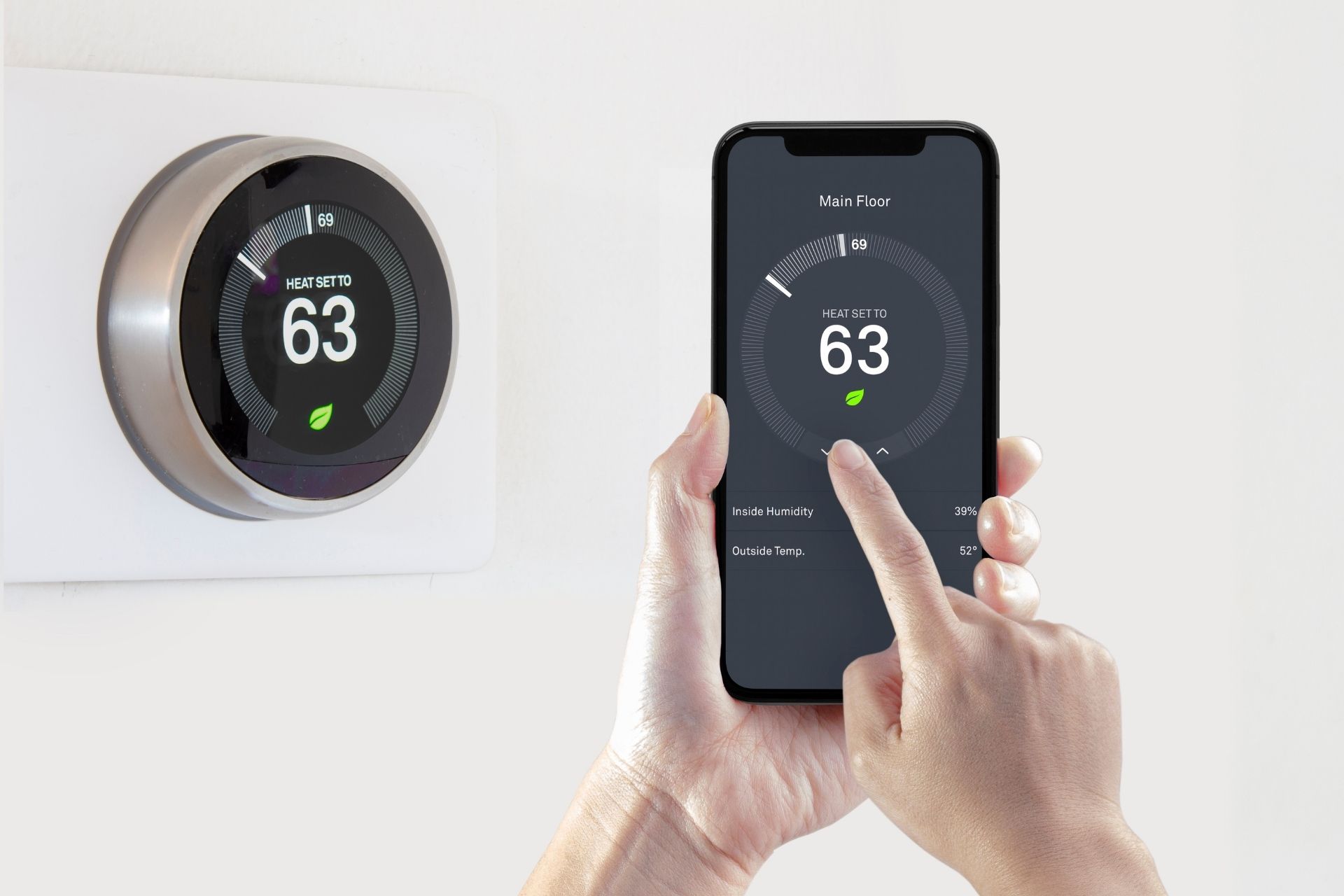
Smart thermostats look small on the wall, but they can change how a whole heating and cooling system behaves. Instead of asking your HVAC to run on guesswork, they help it respond to schedules, weather, occupancy, and comfort patterns.
That matters because heating and cooling are usually the biggest energy loads in a building. The goal is not to freeze in winter or sweat through summer.
It is to stop paying for conditioned air when nobody really needs it, while still keeping rooms comfortable when people are actually there.
Why the Thermostat Became the Brain of the HVAC System
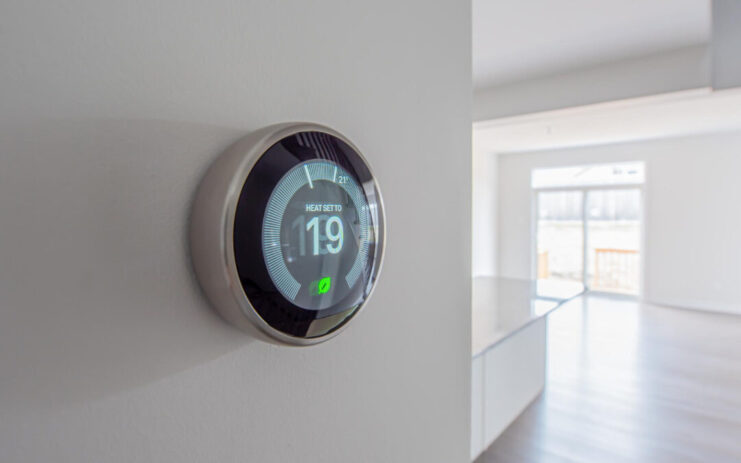
Old thermostats were basically polite switches. They noticed the room temperature, compared it with your chosen setting, then told the furnace, heat pump, or air conditioner to turn on or off. Useful, yes, but not very clever. A smart thermostat adds timing, memory, remote access, and sometimes room sensors, so the HVAC system gets better instructions.
That is where the savings conversation starts. The U.S. Energy Information Administration says space heating and air conditioning made up 52% of household annual energy consumption in 2020 . When the largest energy category gets managed more precisely, small daily adjustments can turn into noticeable monthly savings.
How Smart Thermostats and HVAC Communicate
At the basic level, the thermostat still sends simple control signals to the HVAC equipment. The smarter part is how it decides when to send them. Instead of following one fixed temperature all day, it can consider time of day, occupancy, outdoor conditions, and how quickly the building usually heats or cools.
This is the same logic behind connected infrastructure. Smart platforms help turn raw device and urban data into practical alerts, resource insights, and smarter operations. In a building, the thermostat does something similar on a smaller scale: it watches signals, acts on thresholds, and helps prevent waste before it becomes expensive over time.
The Signals Your Equipment Actually Receives
The HVAC unit does not “think” like the app on your phone. It receives practical commands: call for heat, call for cooling, run the fan, or use another equipment stage if the system supports it. The smart layer simply makes those calls more carefully.
A well-matched thermostat may tell the system to:
- Reduce output during empty hours
- Start earlier instead of blasting air late
- Use fan circulation to balance rooms
- Choose lower stages before full power
That last point matters. Two-stage and variable-speed systems often work best when they run steadily at lower output. A smart thermostat can help the equipment avoid the expensive habit of always reacting at full force when a gentler response would do.
Where the Real Bill Savings Come From
The savings are not magic. They come from fewer wasted runtime hours, better setbacks, and less human error. Energy Star says certified smart thermostats save about 8% on heating and cooling bills, or around $50 per year on average.
The U.S. Department of Energy says homeowners can save as much as 10% a year by turning the thermostat back 7°F to 10°F for eight hours a day.
| Smart feature | HVAC impact | Cost benefit |
| Scheduling | Runs less when spaces are empty | Cuts wasted runtime |
| Learning | Adjusts around real routines | Reduces manual mistakes |
| Remote access | Fixes settings from anywhere | Prevents all-day errors |
In simple terms, the thermostat is not lowering bills alone. It is helping the HVAC system make fewer bad decisions.
Comfort, Sensors, and the Rooms People Actually Use
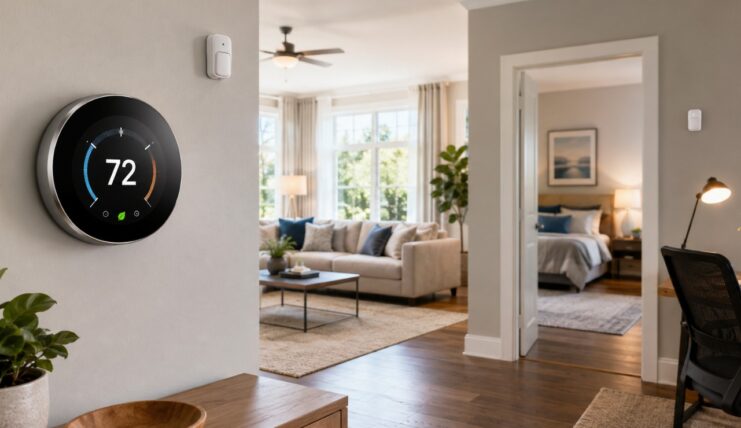
People sometimes worry that saving energy means living with uncomfortable rooms. It does not have to. A smart thermostat can warm the house before you wake up, ease off during work hours, and cool things down before you arrive home. Remote sensors make this even better because a single wall thermostat only knows the temperature where it is installed.
A 2024 paper, “Unmasking the Role of Remote Sensors in Comfort, Energy and Demand Response,” analyzed room-level data from 1,000 houses and metadata from 110,000 U.S. houses. It found meaningful room-to-room temperature differences that affect comfort and control decisions. Better sensing means better control.
When a Smart Thermostat Will Not Save Much
There are times when the savings are smaller. If someone already manages setbacks carefully every day, the upgrade may mainly add convenience. If the building has poor insulation, big air leaks, or a short-cycling HVAC unit, control improvements can only go so far, no matter how clever the app looks.
Watch for clues such as:
- The system turns on and off every few minutes
- Some rooms never match the thermostat reading
- Bills rise even when settings stay the same
In these cases, the thermostat may reveal the problem before it solves it. Runtime reports, temperature history, and app alerts can point toward ductwork, maintenance, insulation, or sizing issues that deserve attention.
Practical Setup Tips Before Expecting Results
The best setup is usually calm and realistic. Create normal home, away, sleep, and workday periods, then let the system learn before you keep changing settings. Extreme temperature swings may look efficient in an app, but they can make some HVAC systems work harder, especially heat pumps in colder weather.
Important fact: smart controls work best when comfort settings are realistic, schedules are active, and the HVAC system is properly maintained.
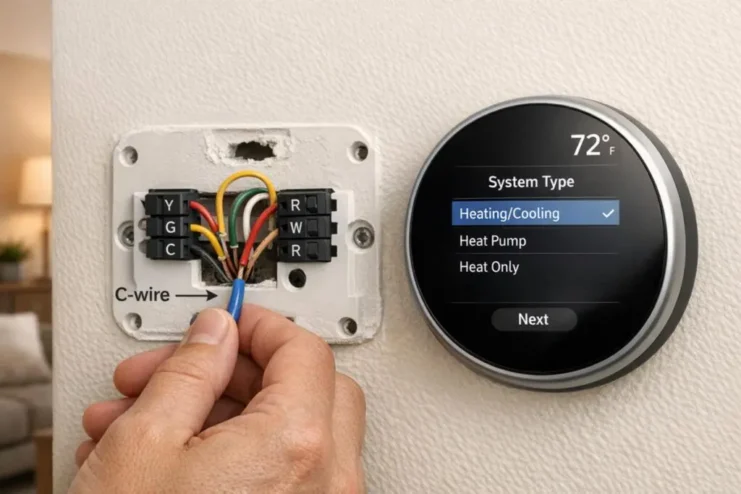
Before expecting major HVAC energy savings, replace filters, confirm airflow, seal obvious drafts, and make sure the thermostat is compatible with your wiring. For businesses or rental portfolios, consistent schedules across buildings can reduce random waste and make reporting cleaner.
Final Thoughts
Smart thermostats and HVAC work best as a team. The thermostat supplies timing, data, and control, while the HVAC equipment supplies heating, cooling, and airflow. When both sides are matched well, the result is less wasted runtime, fewer comfort complaints, and bills that feel more predictable. The real value is not just having an app on your phone. It is having a system that reacts to how the building is actually used. For homes and businesses, that is where small daily decisions become meaningful annual savings.
FAQs
Can a smart thermostat damage HVAC equipment?
Not when it is compatible and installed correctly. Problems usually come from wrong wiring, unsupported systems, or settings that force equipment to cycle too often.
Is professional installation worth it?
For heat pumps, multi-stage equipment, older wiring, or commercial HVAC, professional setup is usually safer than guessing.
Do smart thermostats need subscriptions?
Most core features work without a paid plan. Some brands charge for advanced monitoring, reports, or security-style add-ons.