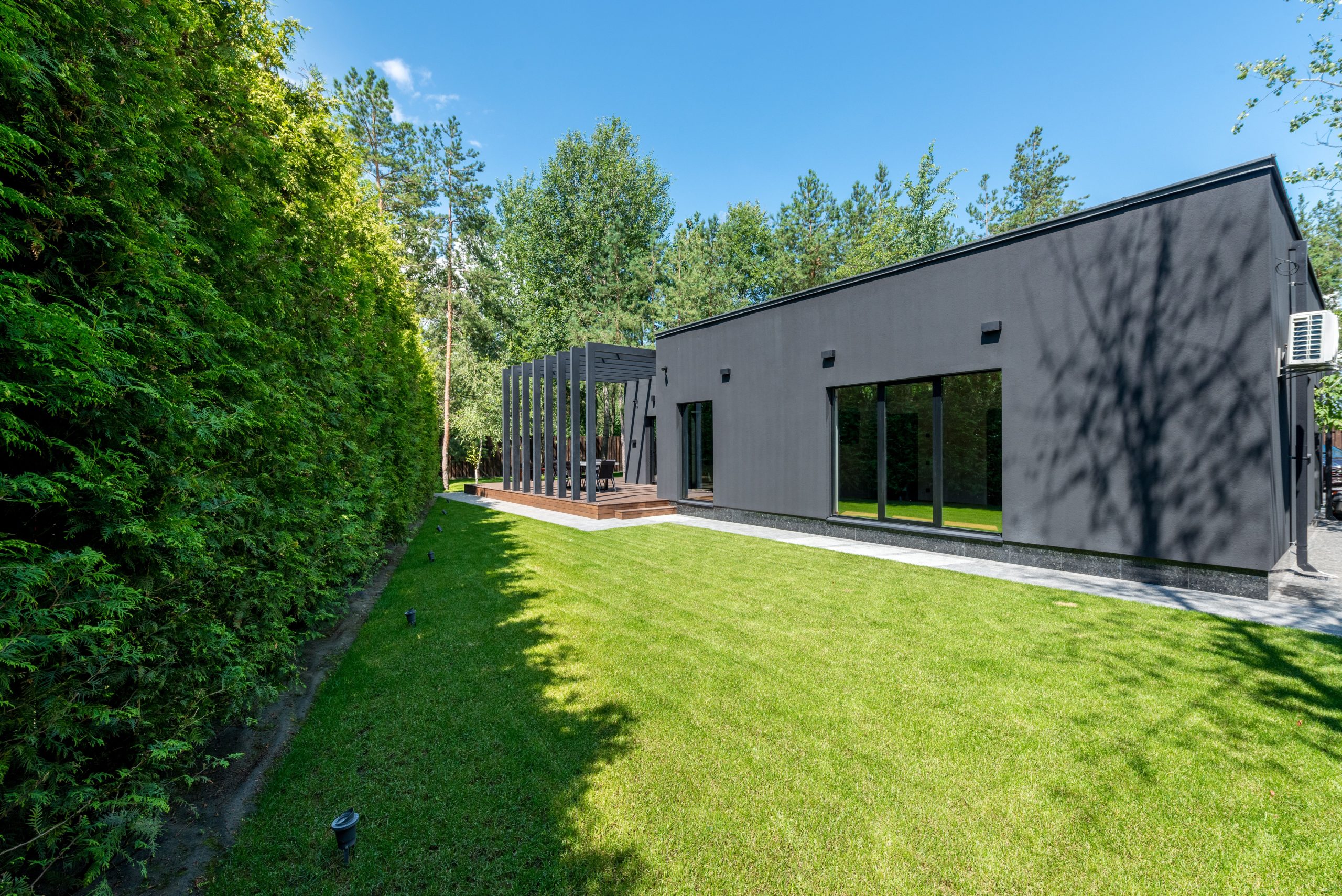
A boundary fence has to do more than mark the edge of a property. It may need to provide privacy, handle wind and rain, frame a garden, keep pets secure, and remain presentable beside a carefully designed home. That is a lot to ask of a material that is often treated as an afterthought.
Composite fencing is designed to answer some of those competing demands. It combines wood fibres with a polymer, usually in a board or panel system, and can be finished with a wood-grain texture. The result is not timber and should not be judged as if it were. Its practical appeal comes from changing the maintenance routine: instead of periodically painting, staining, or replacing weathered boards, the owner generally concentrates on cleaning, checking fixings, and keeping vegetation away from the fence.
This guide looks at where that trade-off makes sense, where it does not, and which details matter more than the colour shown in a brochure.
Table of Contents
- What composite fencing is made from
- Why it suits busy modern properties
- How it compares with other boundary materials
- The installation details that decide performance
- Where composite fencing is not the obvious answer
- A sensible specification checklist
- Frequently asked questions
What composite fencing is made from
Wood-plastic composite, often shortened to WPC, is a manufactured material made by combining wood flour or fibres with a thermoplastic resin and additives. Some fencing products also have a protective outer cap. That cap is important: it can reduce the material’s exposure to moisture, staining, scratches, and ultraviolet light compared with an uncapped composite.
The exact recipe varies, so “composite” is not a performance specification by itself. A product may be hollow or solid, capped on one or more faces, supported by aluminium or steel posts, or built as individual boards sliding into posts. Before comparing prices, check the technical sheet for the core, surface layer, post system, fixing method, and cleaning instructions.
For a useful overview of the types of composite fencing available, look beyond the colour names and compare the construction of the panels and supporting frame. The frame is not a minor accessory: a good-looking board attached to undersized or poorly anchored posts can still produce a disappointing boundary.
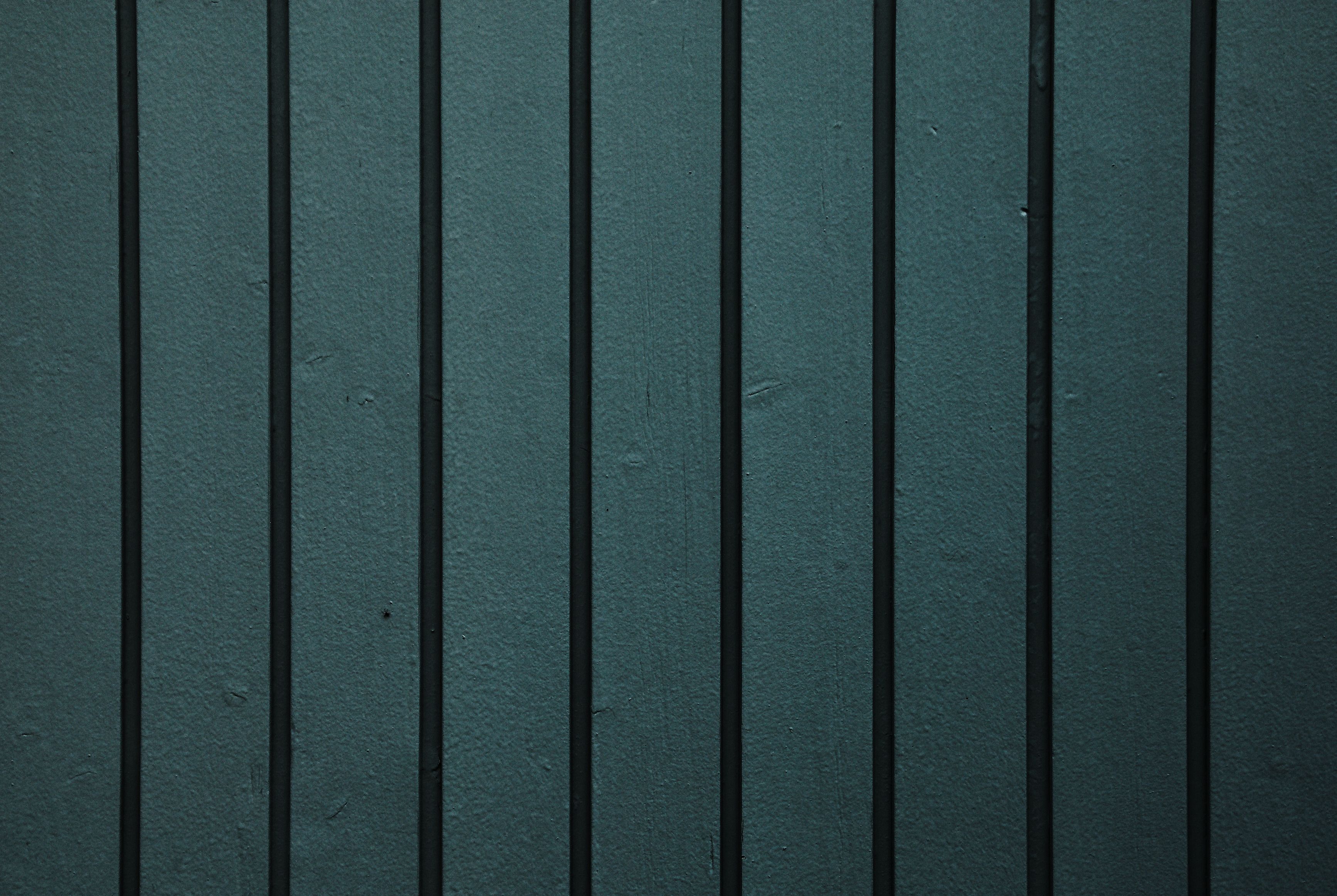
Why it suits busy modern properties
The strongest case for composite fencing is not that it never changes. It is that the changes are usually easier to manage than the familiar cycle of timber maintenance.
- Less routine finishing: many systems do not need regular staining, painting, or sealing. They still need cleaning, and the manufacturer’s method should be followed.
- Consistent appearance: factory-made boards offer repeatable dimensions and finishes, which works well with contemporary extensions, rendered walls, and structured planting.
- Resistance to rot and splintering: the polymer component means the material does not behave like untreated timber when exposed to repeated wetting and drying.
- Privacy without visual heaviness: solid panels can screen a garden or patio while keeping the boundary line relatively clean.
- Modular repair: in a properly designed system, an individual board or panel may be replaceable without rebuilding the entire run.
That lower-maintenance promise is most valuable where access is awkward: behind a garage, beside a planted border, or around a long boundary that nobody wants to sand every few years. It is less compelling on a small, easily reached fence where inexpensive timber can be maintained quickly.
Composite also works visually with the way many modern properties are designed. A dark grey or deep brown fence can repeat a window frame or roof finish, while a warm wood-grain panel can soften a hard-paved garden. That is a design advantage, but it should remain secondary to drainage, post strength, and the conditions at the site.
How it compares with other boundary materials
No fence material wins every category. The table below is a practical starting point rather than a product rating; local climate, span, exposure, and installation quality can change the outcome.
| Material | Routine upkeep | Typical strength of the case | Main caution |
|---|---|---|---|
| Composite | Usually cleaning and periodic checks rather than regular painting or staining | Consistent appearance with reduced finishing work | Higher upfront cost is possible, and recycling routes may be limited |
| Timber | May need treatment, painting, staining, and replacement of damaged boards | Flexible, familiar, and easy to cut or adapt on site | Moisture, decay, movement, and splinters need ongoing attention |
| Metal | Often low once correctly protected | Useful where security, slender lines, or long spans matter | Can corrode if the protective finish is damaged and may feel visually exposed |
| uPVC | Generally simple surface cleaning | Lightweight panels with a uniform finish | Appearance, impact resistance, and heat movement vary by system |
Source note: the material and maintenance distinctions reflect the construction and care guidance in the Cladco ProFence technical datasheet and the wider wood-plastic composite research reviewed in this academic review of wood-based polymer composites. They are not a substitute for the specification of a particular product.
The environmental comparison also needs more care than a recycled-content badge. A 2017 life-cycle assessment found that using secondary materials can improve the environmental performance of WPC, while end-of-life recycling remains affected by available markets and the difficulty of separating composite materials. In other words, recycled content is useful information, but it does not describe the whole life cycle.
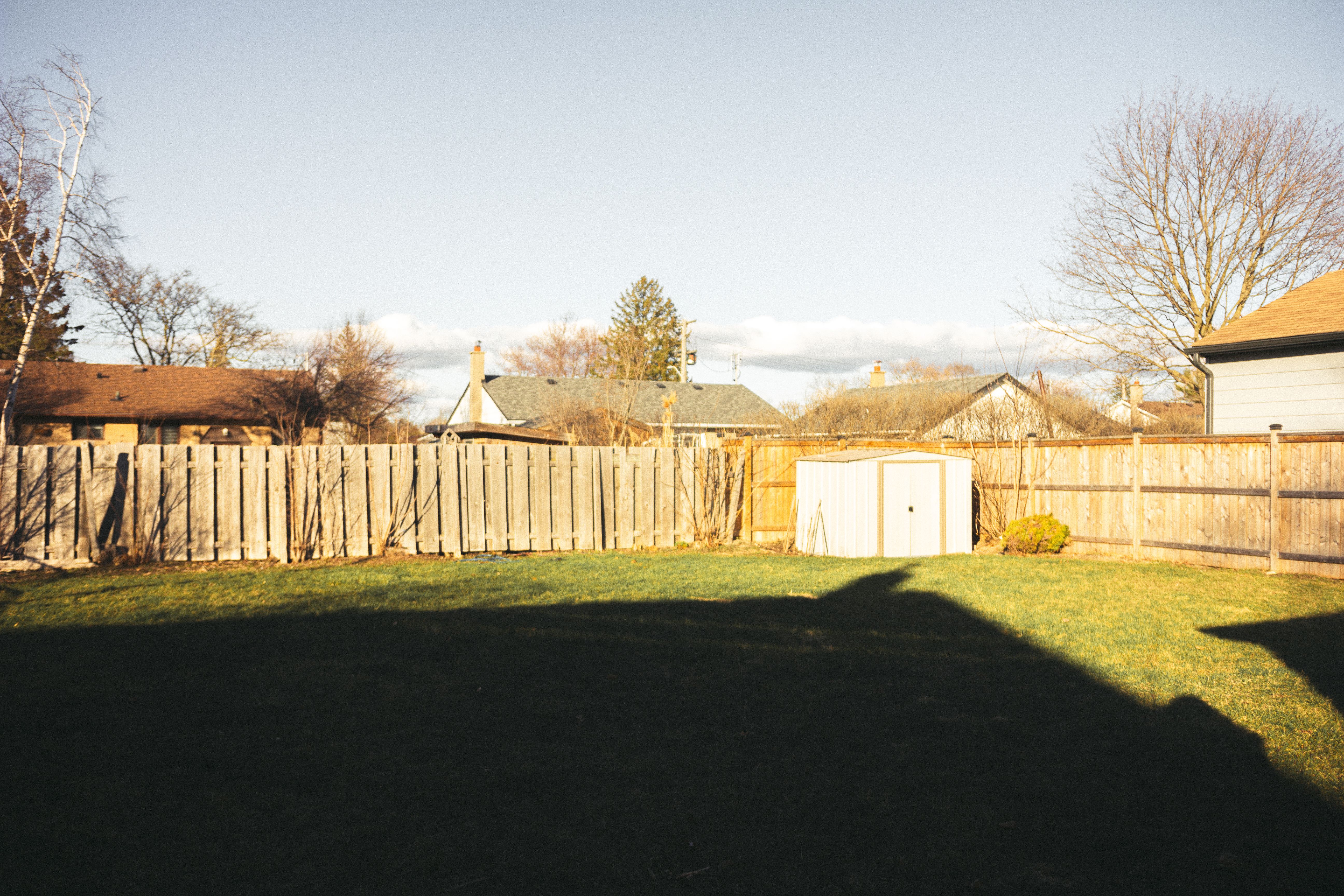
The installation details that decide performance
A composite panel is only part of a fence. Poor foundations, insufficient post spacing, trapped water, or incompatible fixings can undermine an otherwise sound material.
Start with the site, not the sample
Measure the boundary, identify changes in level, and note which sections receive the strongest wind. A fully private fence presents more surface area to the wind than an open trellis. On exposed sites, the post and foundation design may matter more than the board material.
Allow for movement
Composite and metal components expand and contract with temperature. Follow the manufacturer’s gaps and fixing instructions rather than forcing boards tightly together. The same applies to gates: their hinges, posts, and clearances need to be designed for the weight and movement of the complete assembly.
Keep water moving
Boards should not sit in standing water, and the bottom edge should not become buried in soil or mulch. Good drainage around posts and a small, deliberate clearance above finished ground can prevent problems that are often blamed on the panel itself.
Check the legal and neighbourly boundaries
Planning rules are location-specific. In England, the Planning Portal says that a fence generally falls within permitted development limits up to 1 metre beside a highway or 2 metres elsewhere, subject to conditions such as listed-building status, Article 4 directions, and planning conditions. Check the relevant local authority before ordering materials, and confirm who owns or maintains the boundary.
For a long run, professional installation may be sensible even if the panels are marketed as easy to fit. The hard work is usually setting posts accurately, handling levels, and making a gate operate reliably, not sliding a board into a channel.
Where composite fencing is not the obvious answer
Composite fencing is practical, not universal. Timber may be the better choice when the budget is tight, the design needs extensive cutting and improvisation, or the owner wants a material that can be repaired with ordinary woodworking tools. Metal may win where airflow, security, or a very slim profile is more important than visual privacy.
There are other trade-offs:
- Dark colours can become hot in strong sun, which makes correct expansion allowances especially important.
- Boards can be heavy, so the posts and foundations must be designed for the finished system.
- Scratches, burns, and severe impact may be difficult to disguise on a capped surface.
- Composite does not mean maintenance-free; dirt, algae, leaves, and soil splash still need attention.
- End-of-life disposal may be less straightforward than recycling a single-material product.
My view is that composite makes most sense when the owner is buying predictable upkeep rather than simply buying a fence. If the main goal is the lowest initial price, it may disappoint. If the main goal is to reduce recurring finishing work while keeping a solid, designed appearance, it becomes a much more credible option.
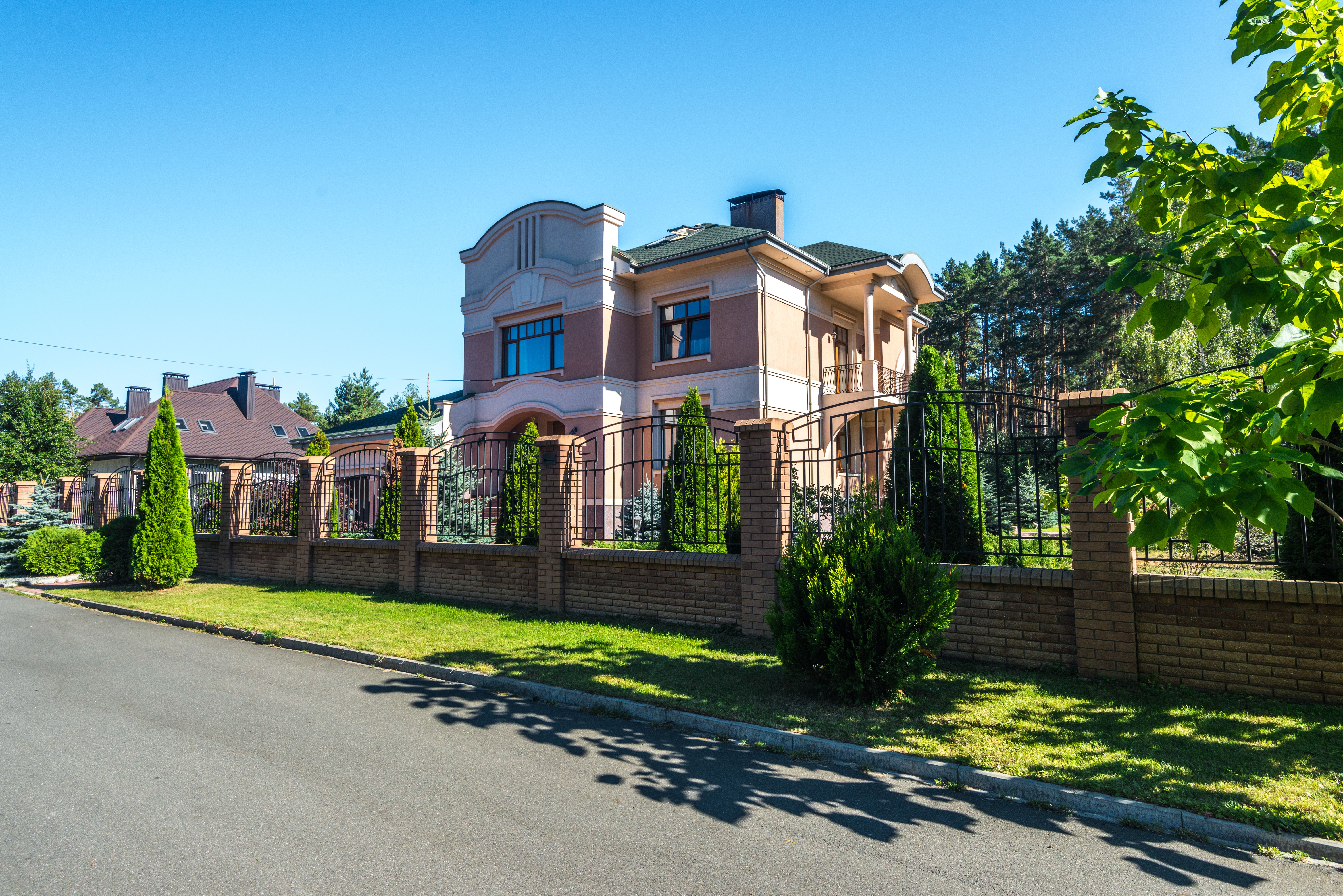
A sensible specification checklist
Before accepting a quotation, ask for clear answers to these questions:
- What is the core made from, and what percentage of recycled content does it contain?
- Is the surface capped, and which faces are protected?
- What are the recommended post dimensions, spacing, and foundation requirements?
- How are corners, slopes, gates, and changes in level handled?
- What cleaning products and tools are permitted?
- Can a damaged board be replaced individually?
- What warranty applies, and does it depend on an approved installation method?
- How should the product be disposed of or recycled at the end of its service life?
Requesting those details turns a vague promise of “low maintenance” into something that can actually be compared. It also exposes the hidden costs: specialist posts, delivery, ground works, gate hardware, and removal of the old boundary.
A boundary that earns its keep
The practical advantage of composite fencing is straightforward: it can deliver a stable, private boundary with less recurring surface treatment than many timber alternatives. That advantage is strongest when the system is correctly specified, installed with proper drainage and movement gaps, and chosen for a site where access and maintenance are genuinely inconvenient.
It is not a universal upgrade, and recycled content alone is not a complete sustainability argument. But for a modern property where appearance, privacy, and reduced routine work need to coexist, composite is a credible middle path between traditional timber and more industrial-looking materials. The best choice is the one whose maintenance, repair, installation, and end-of-life realities match the way the property will actually be used.